Your enquiry email was sent successfully.
Your email was sent successfully.
Your enquiry email for favorites was sent successfully.

Hendrik Zimmer I Common Disposition
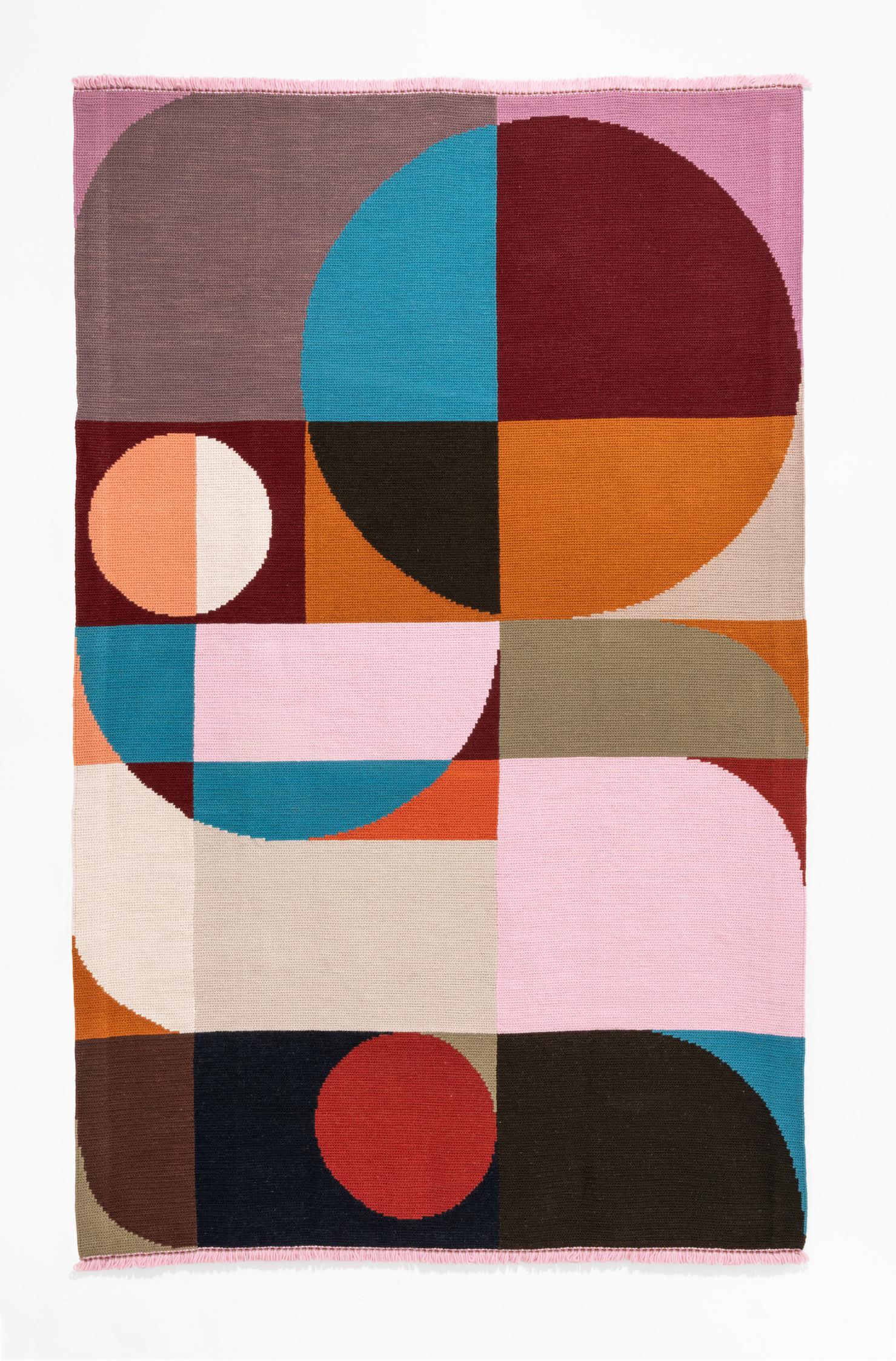
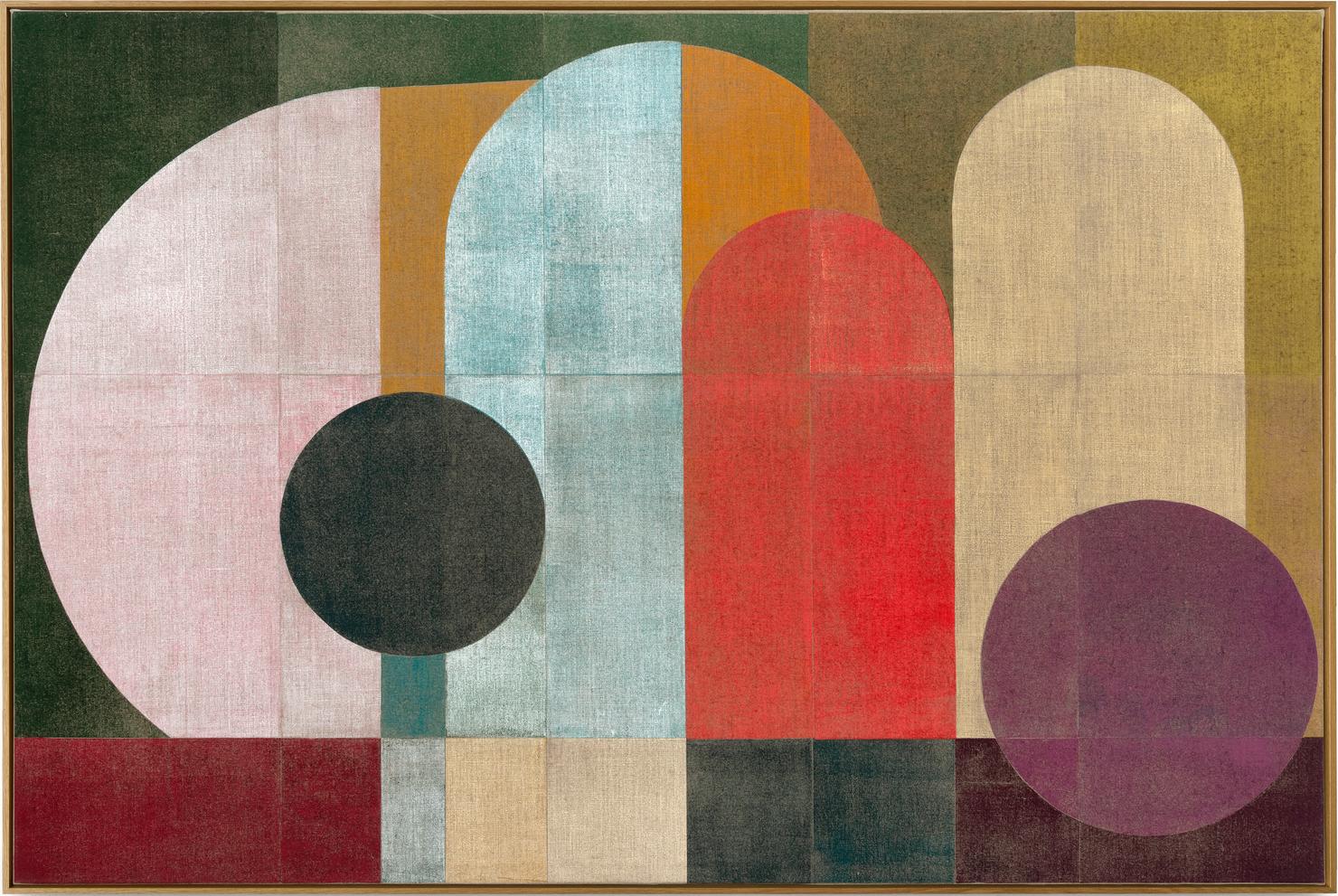
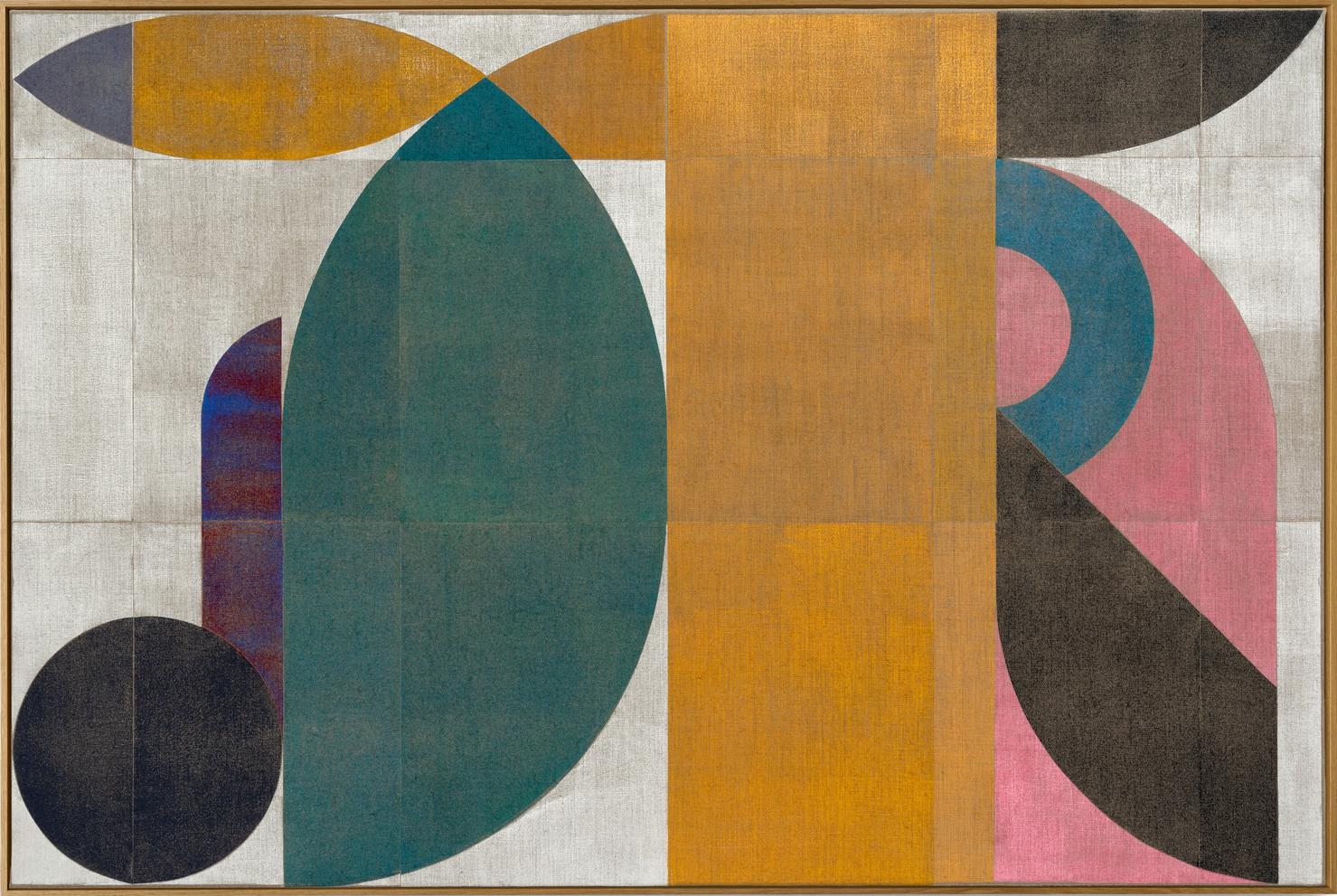
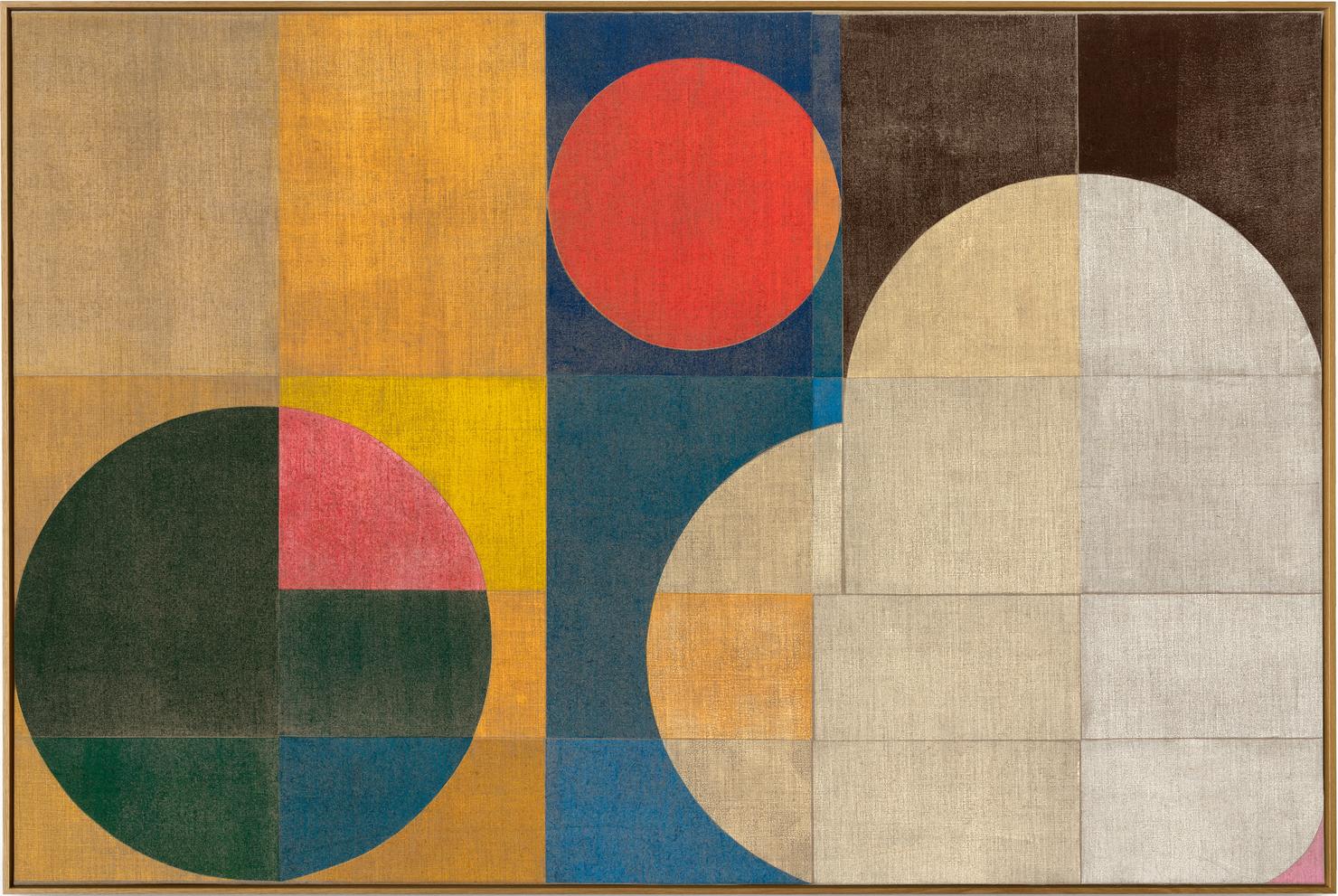
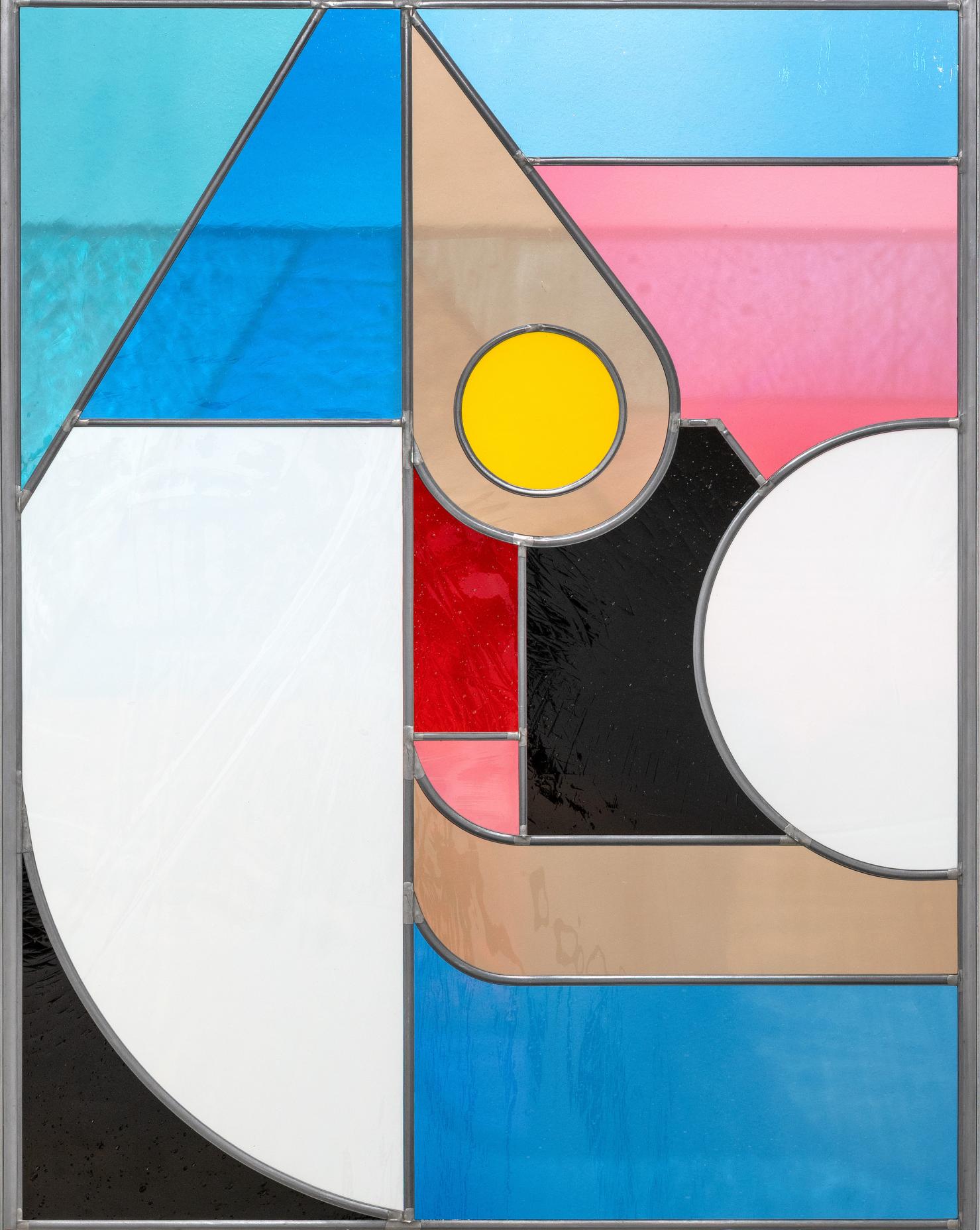
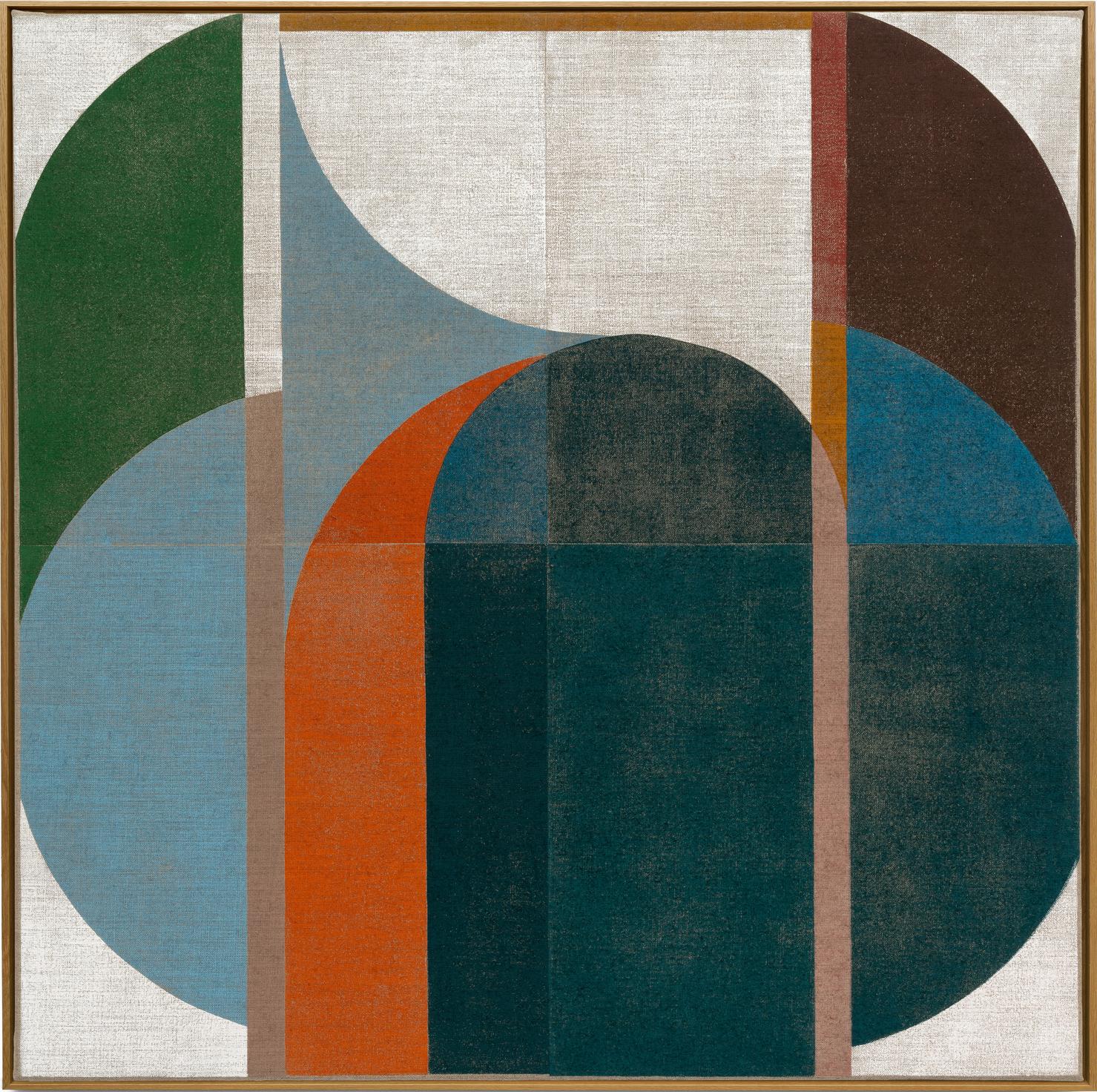
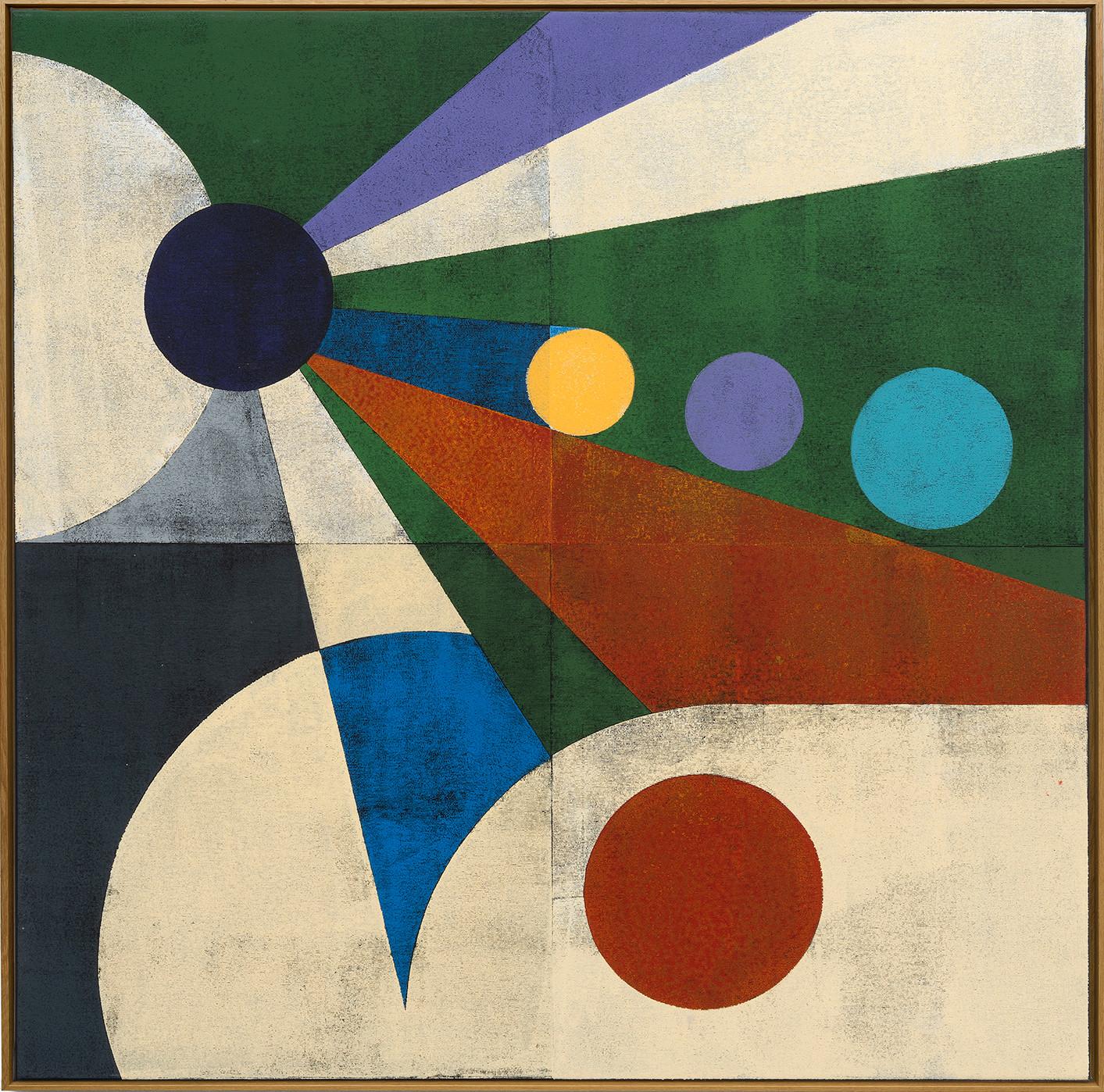
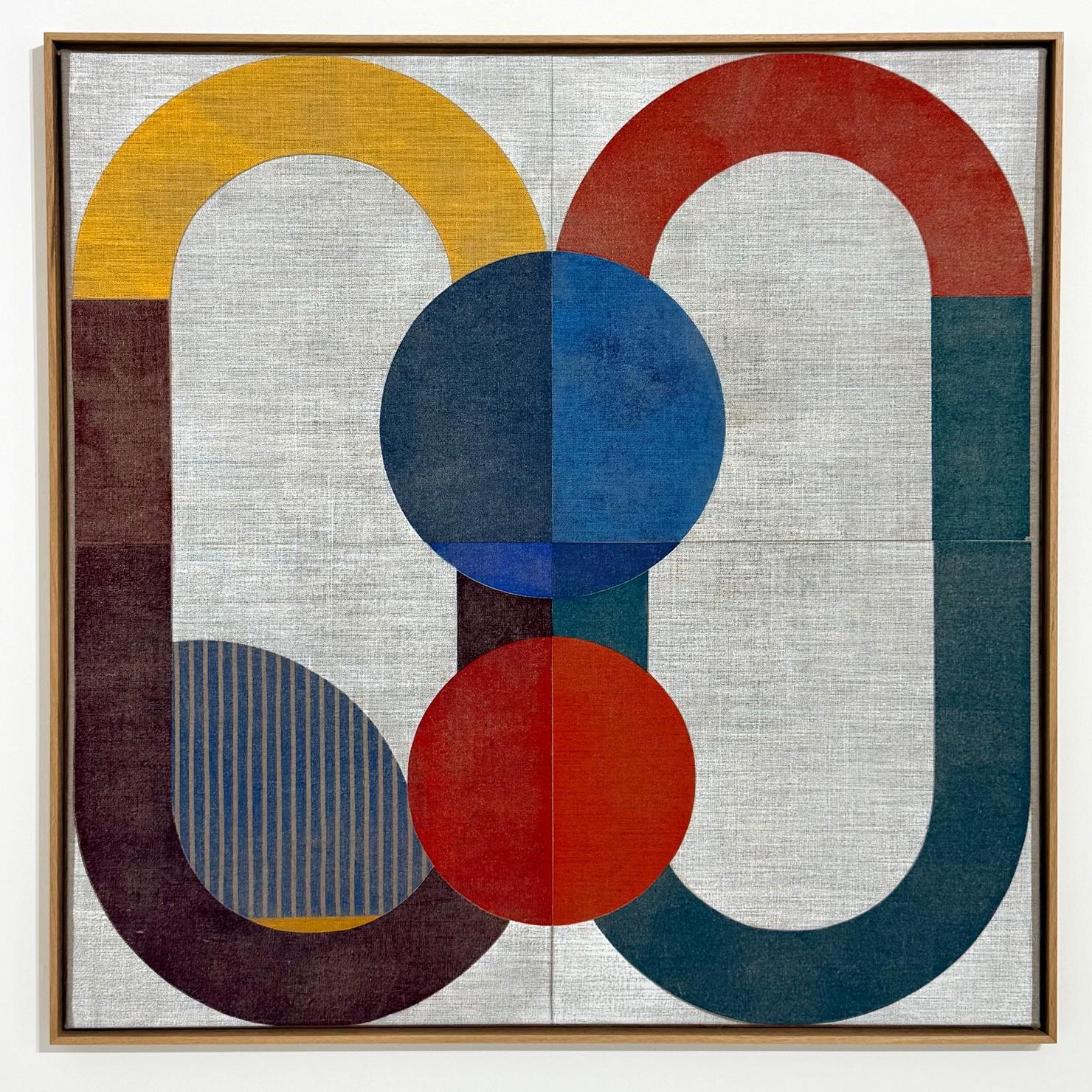
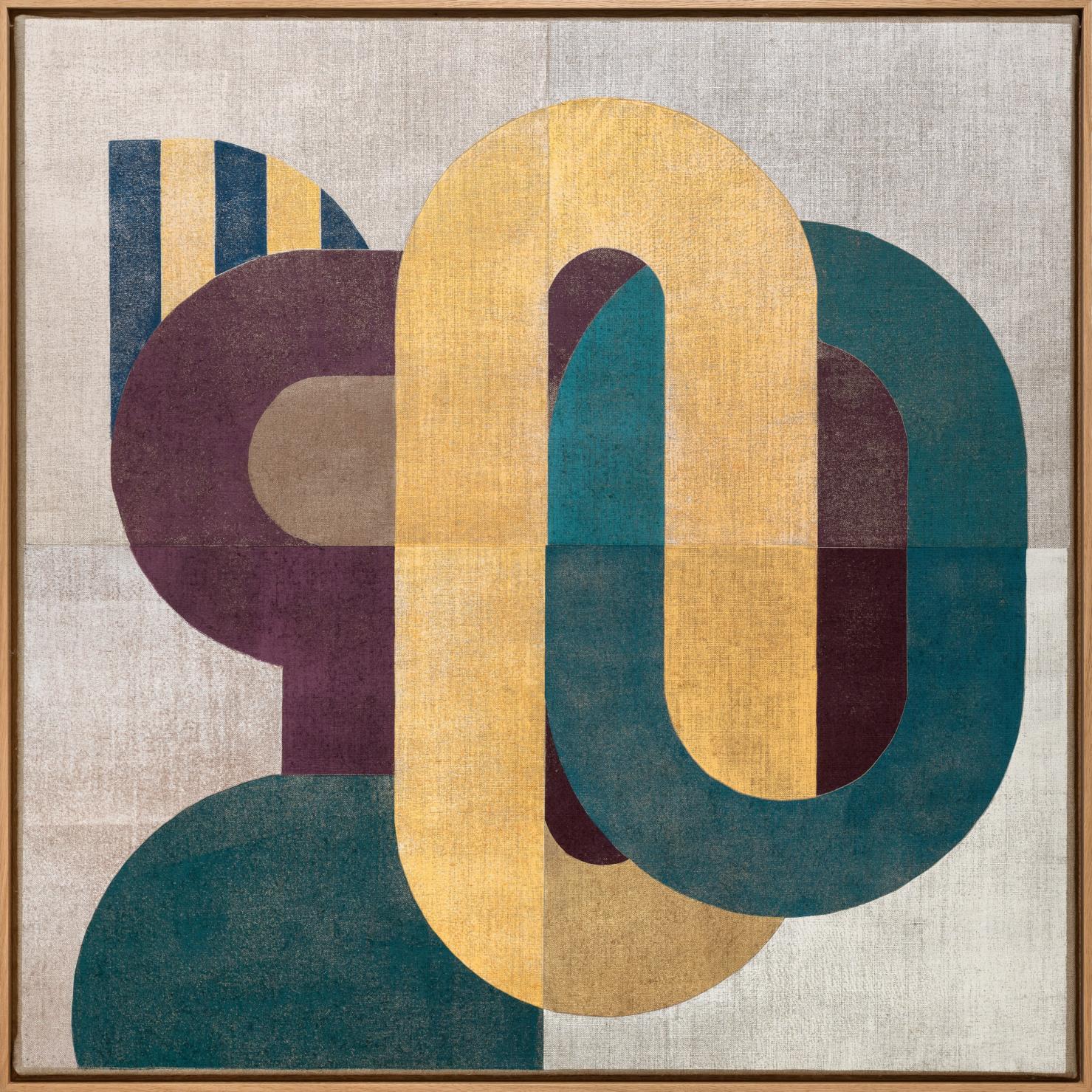
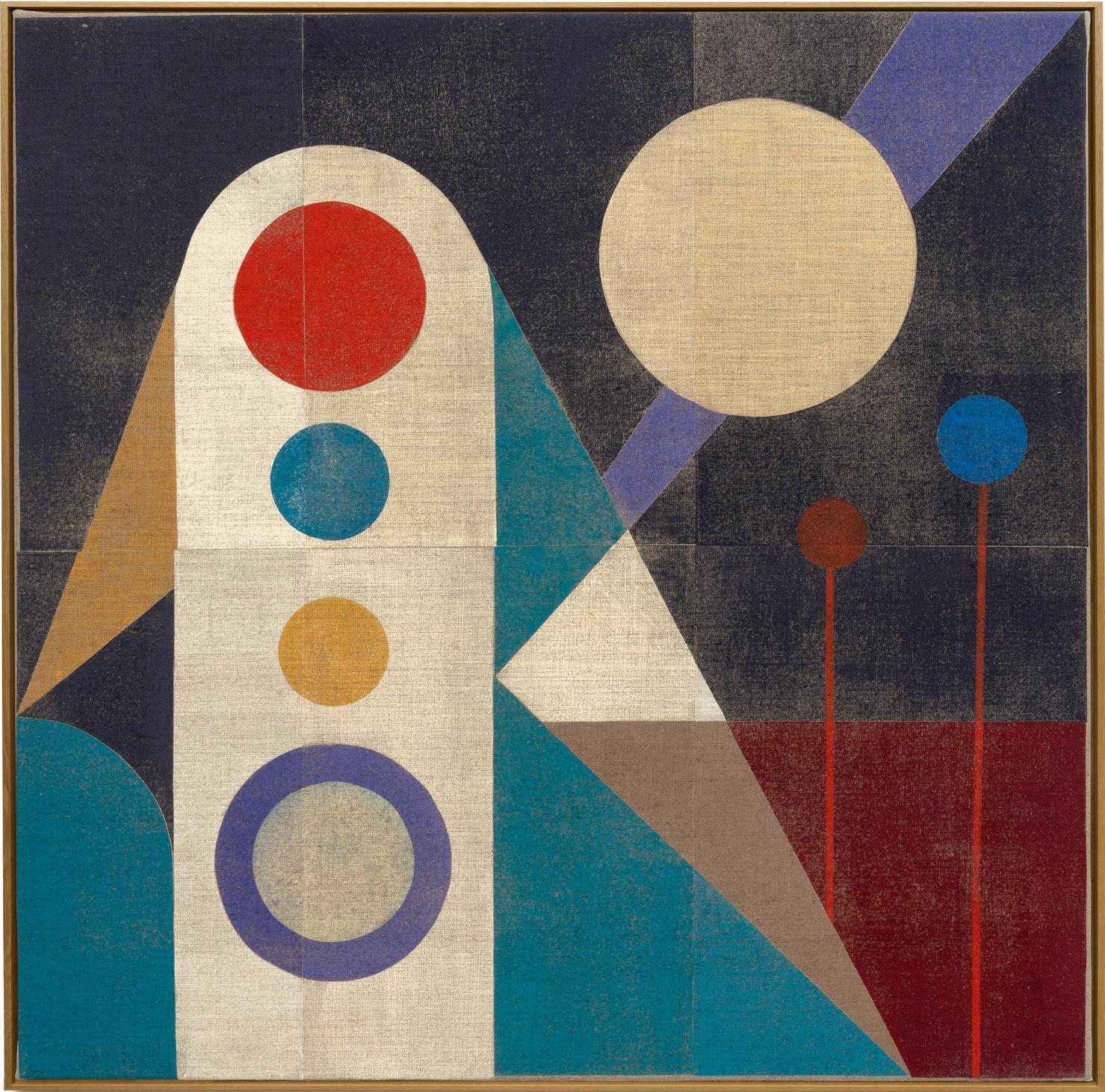
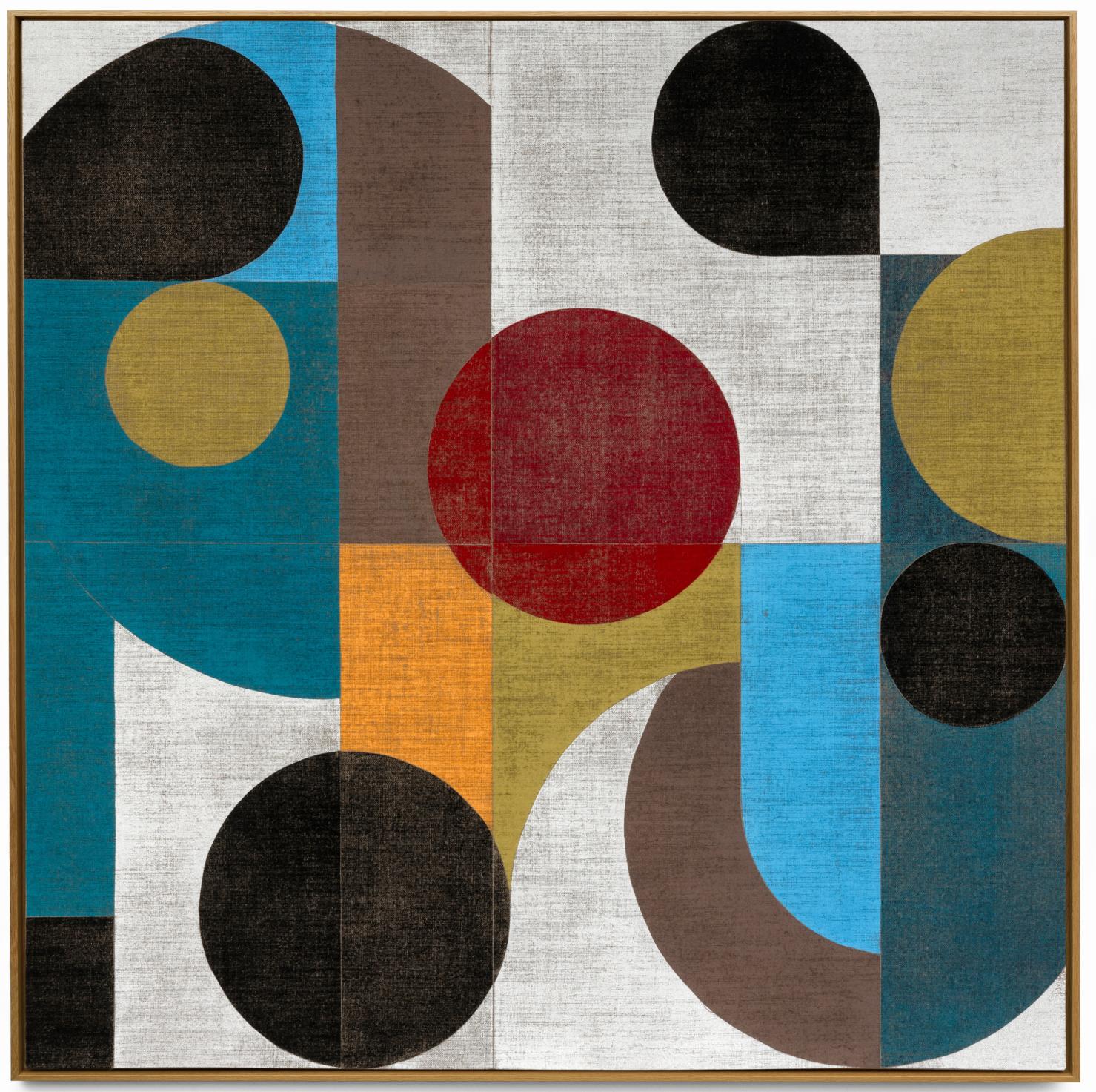
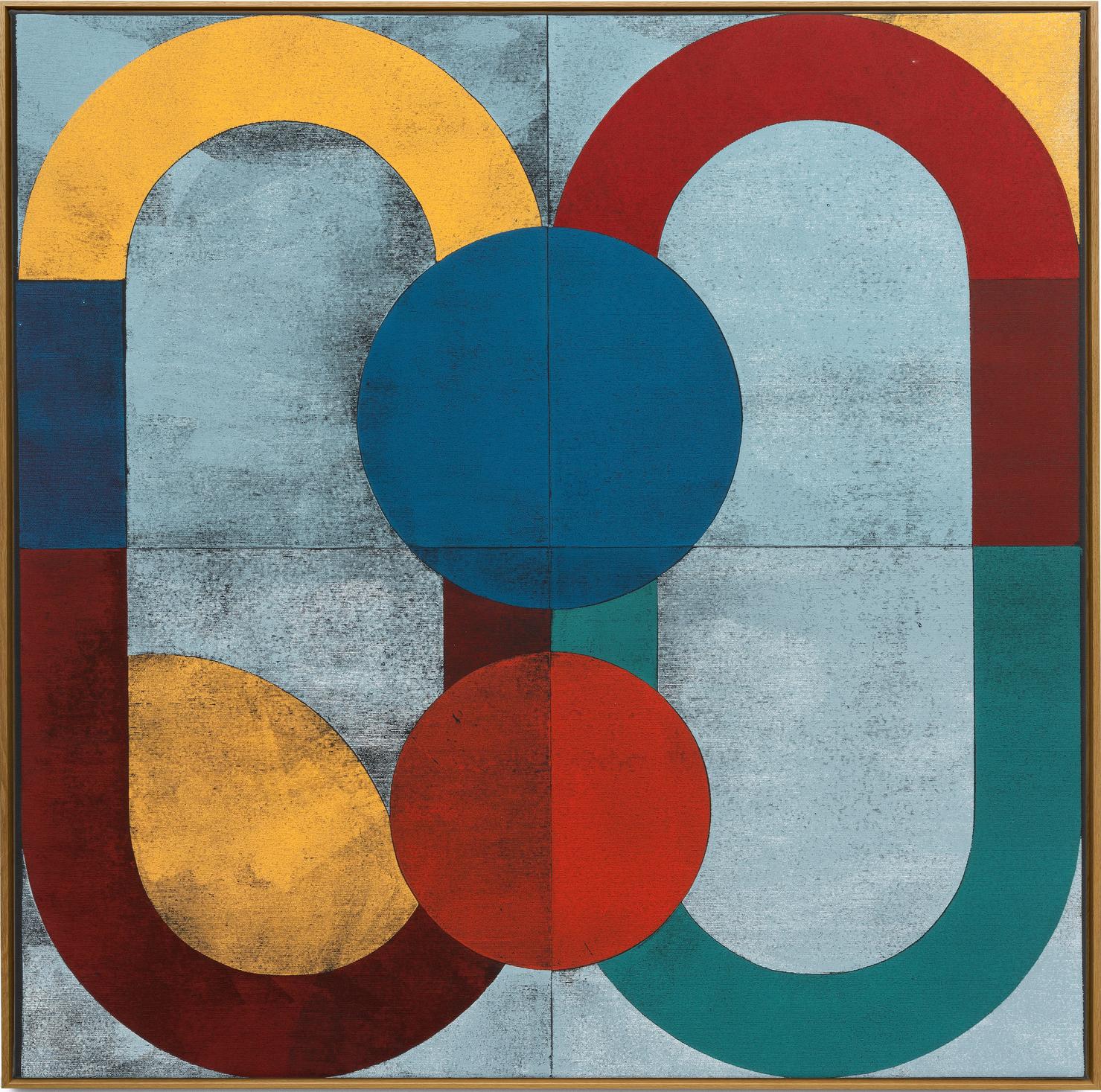
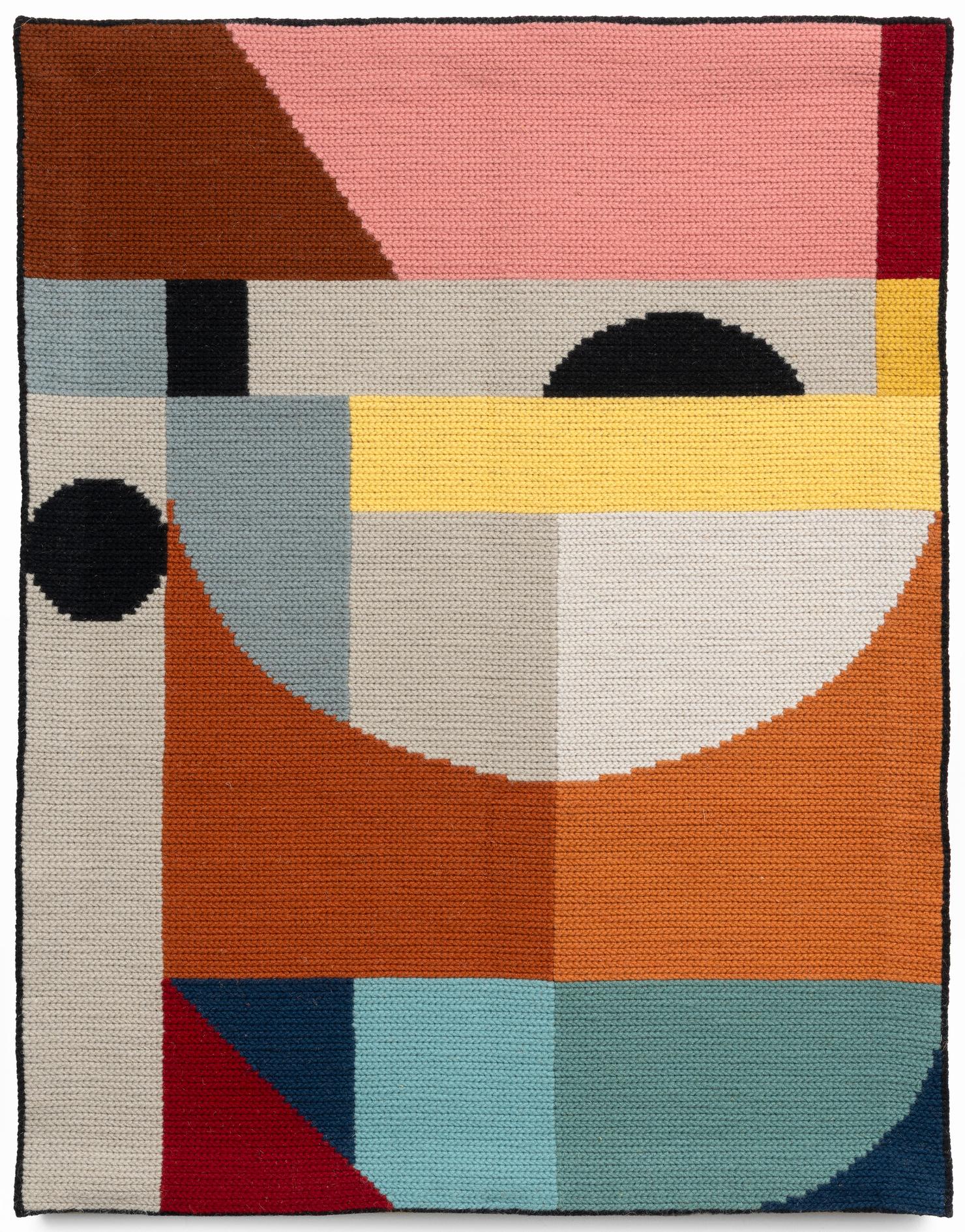
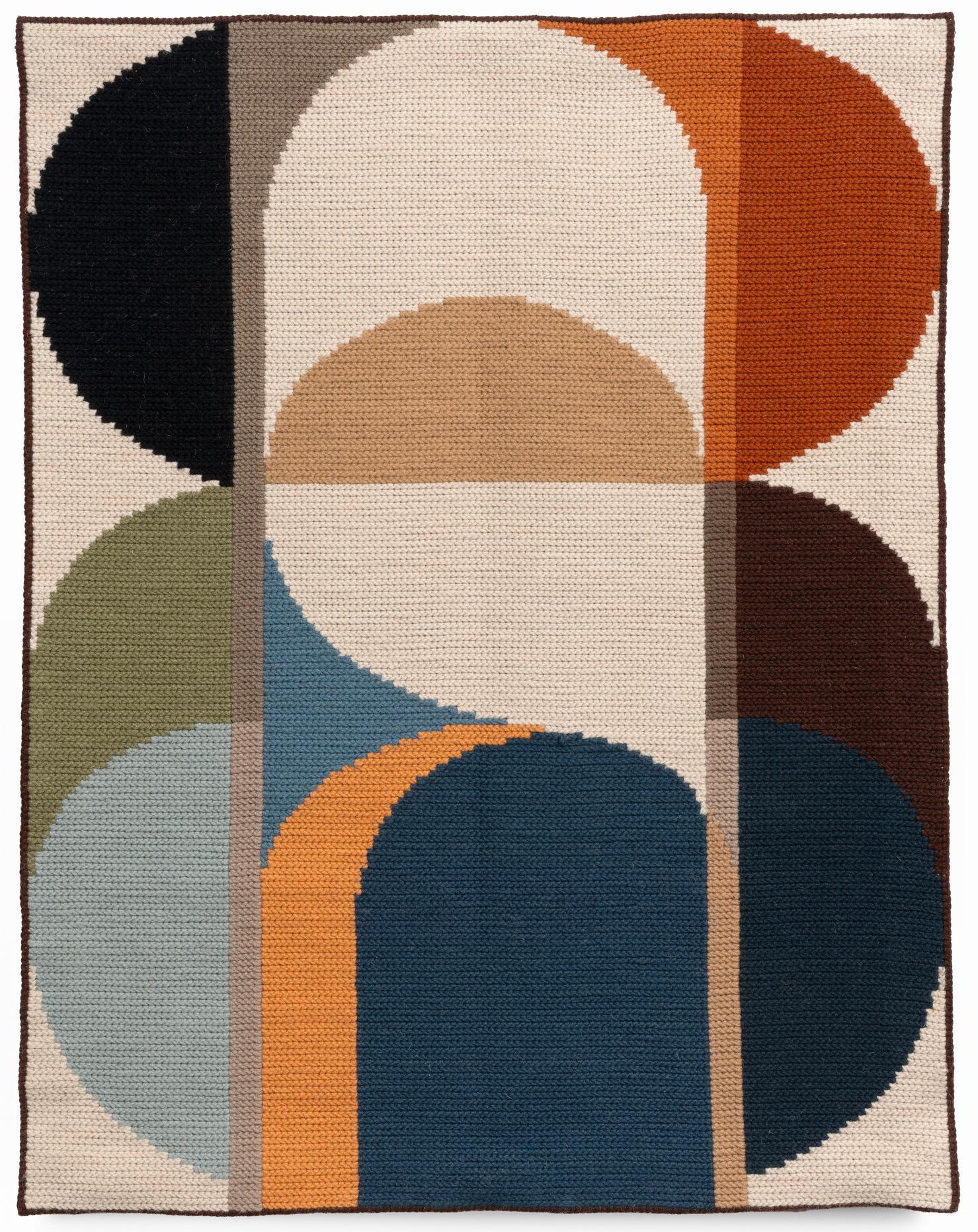
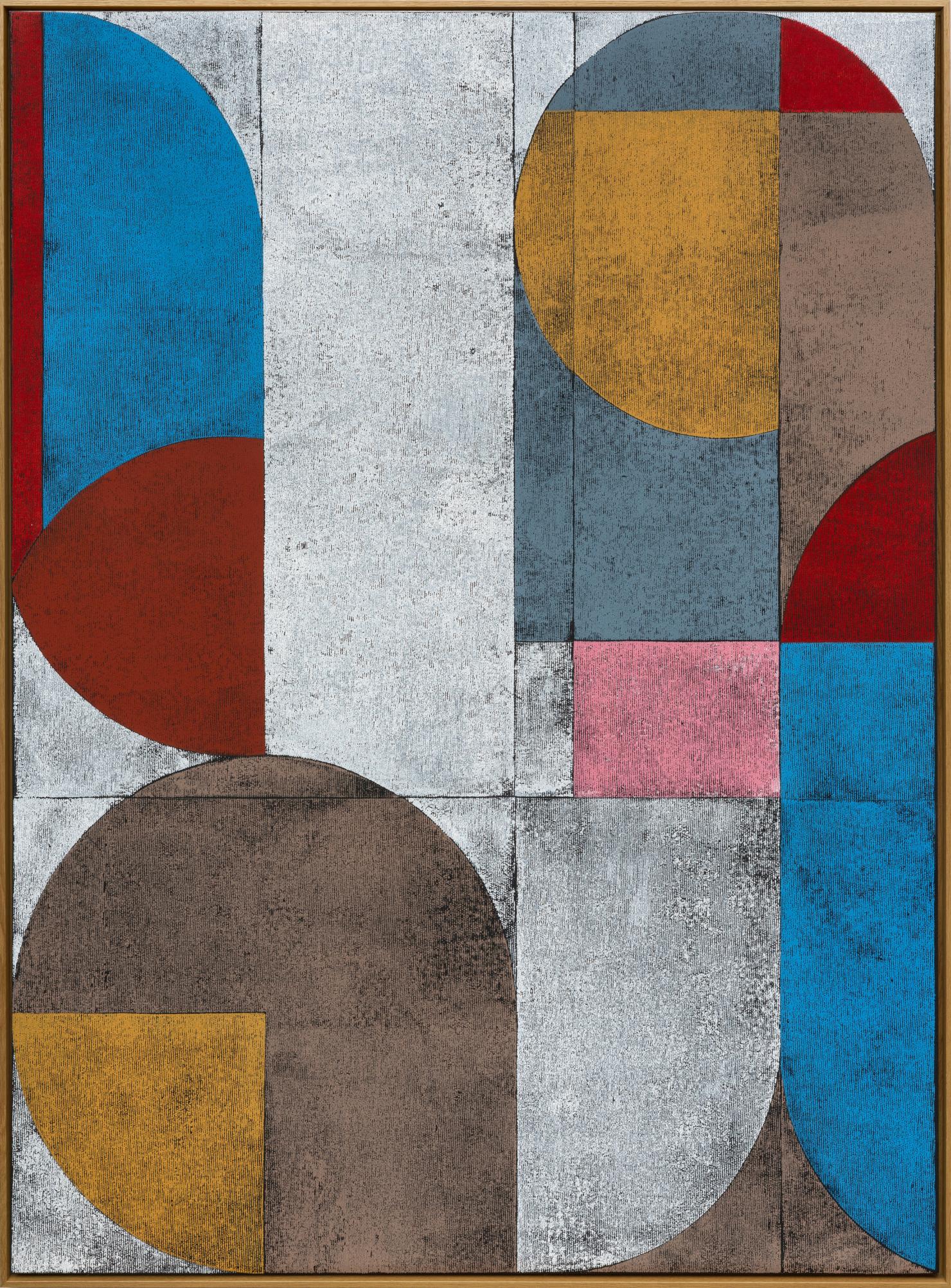
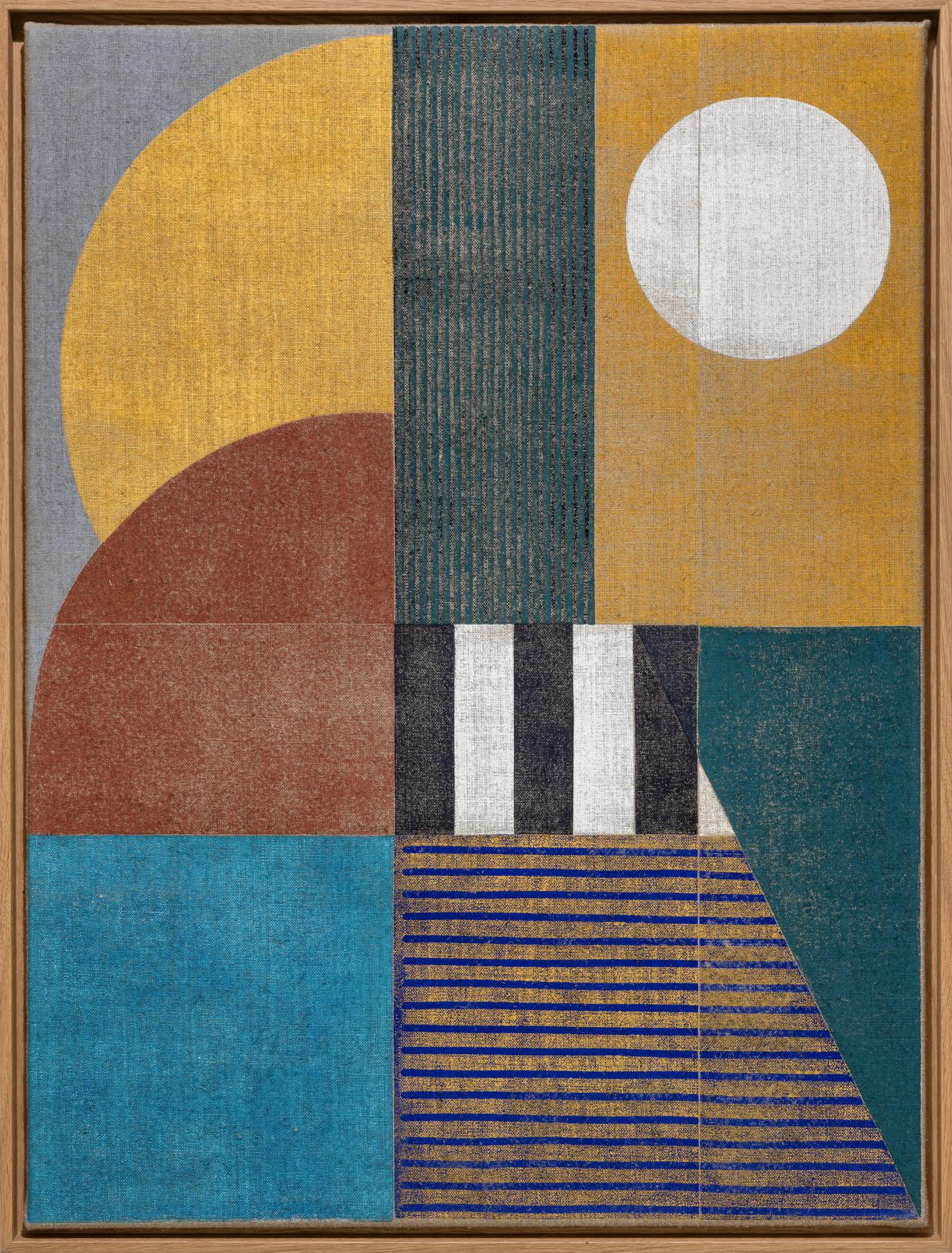
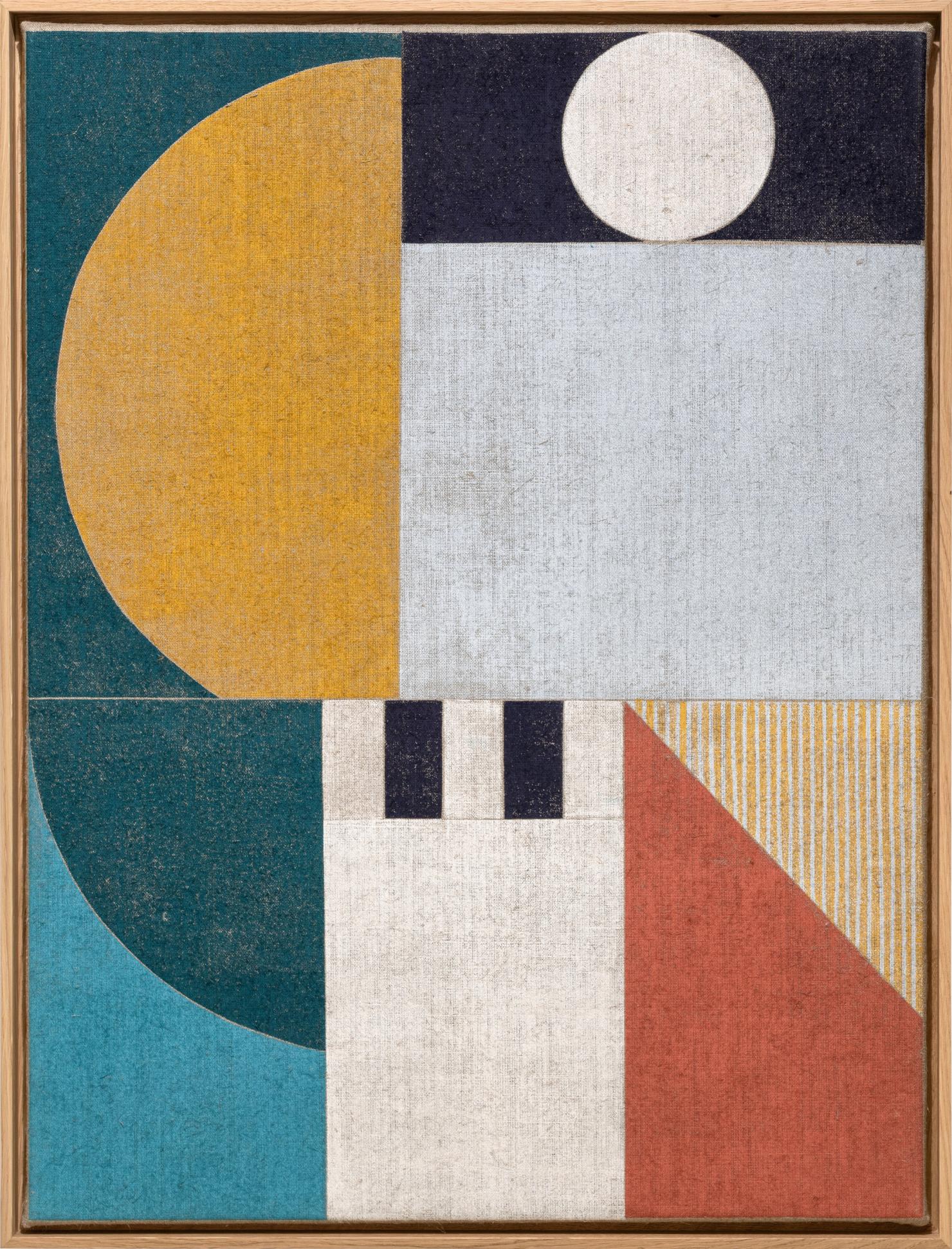
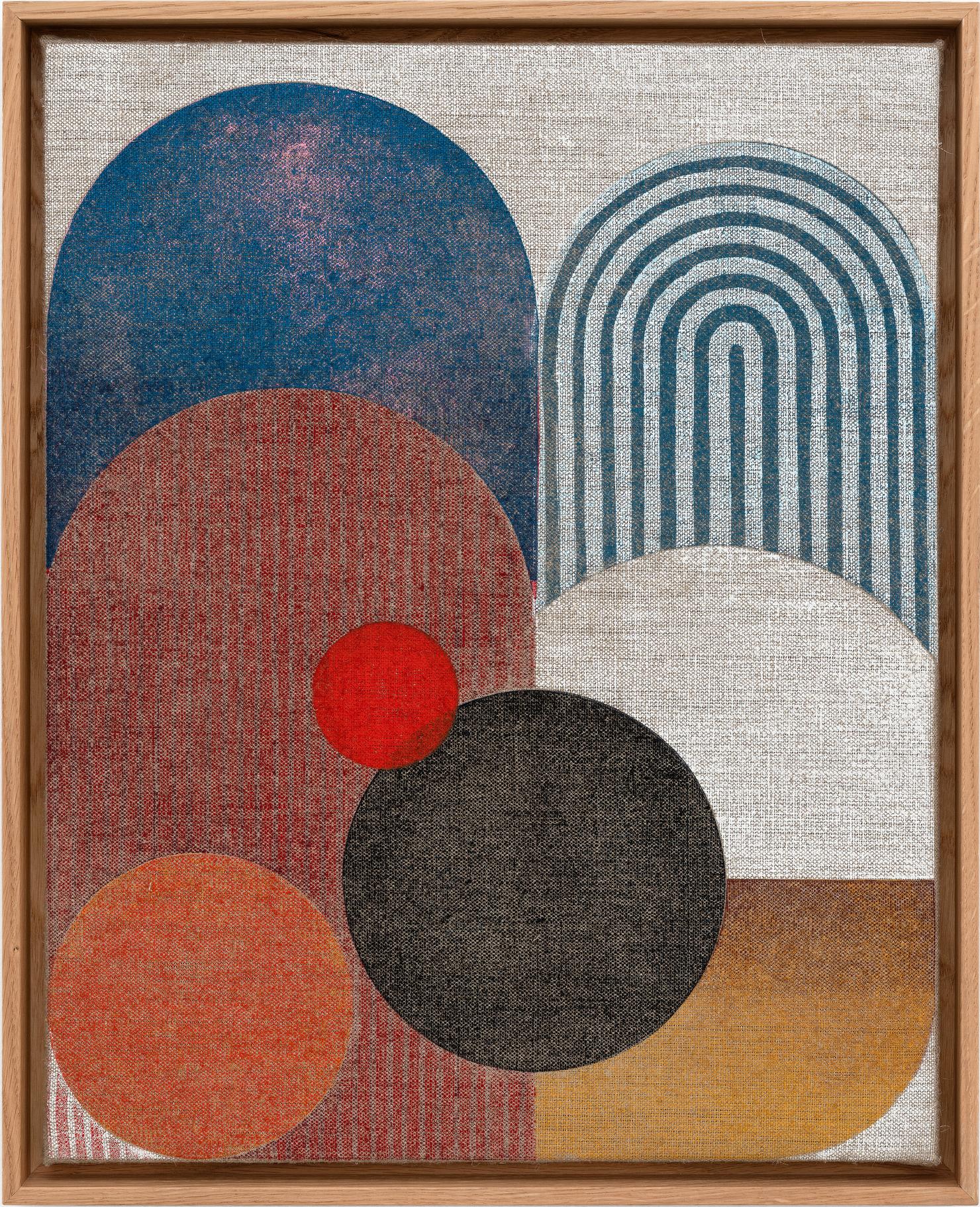
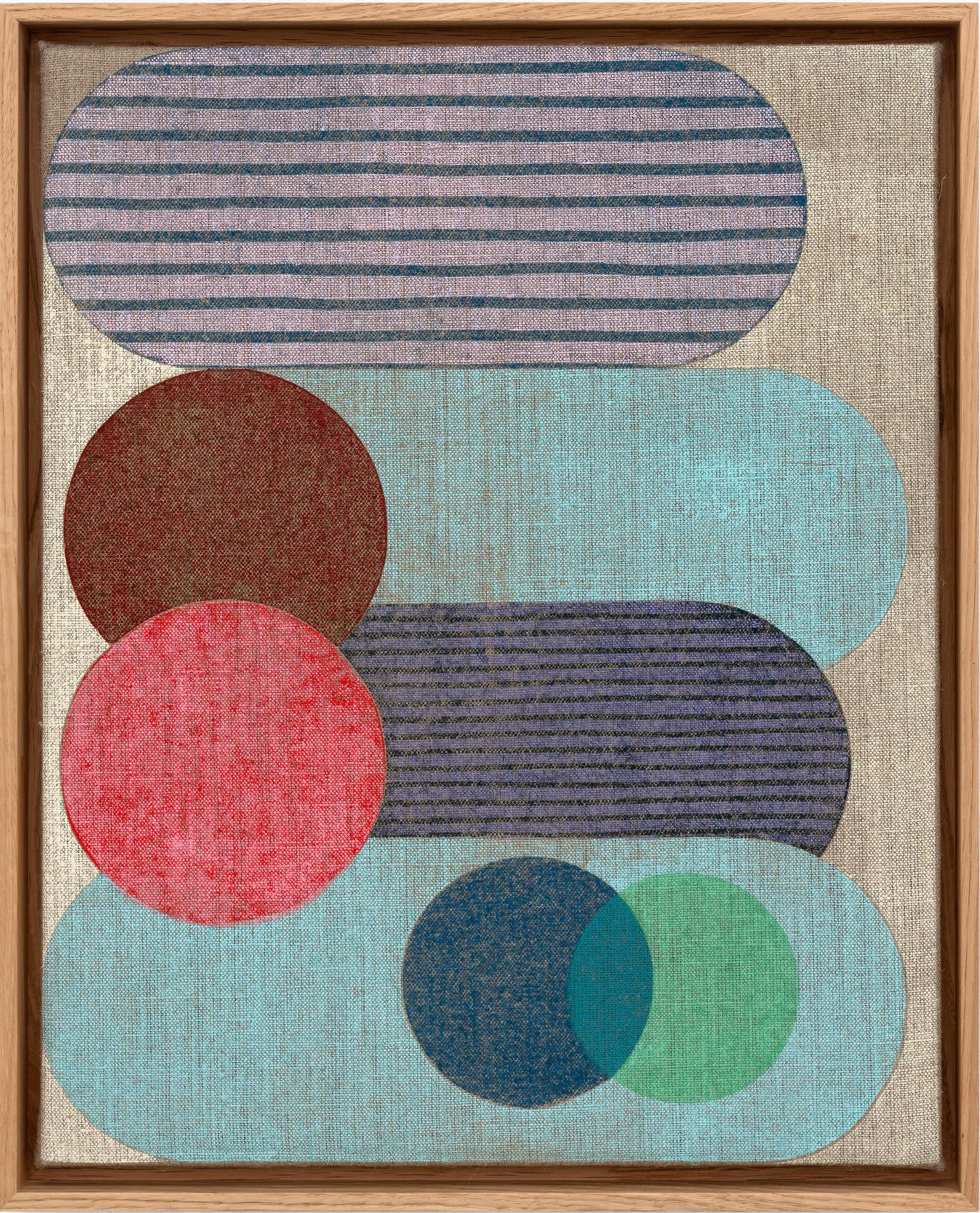
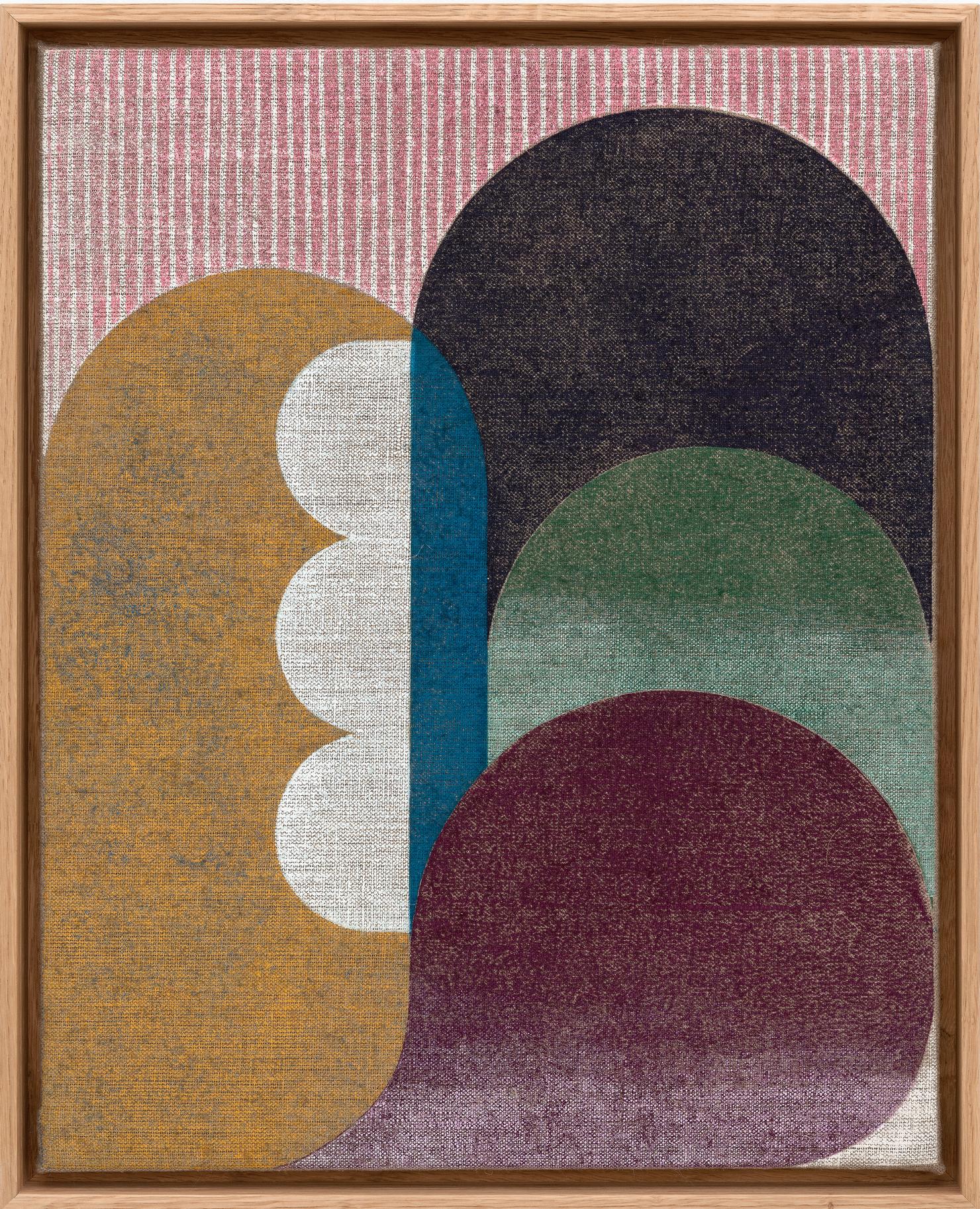
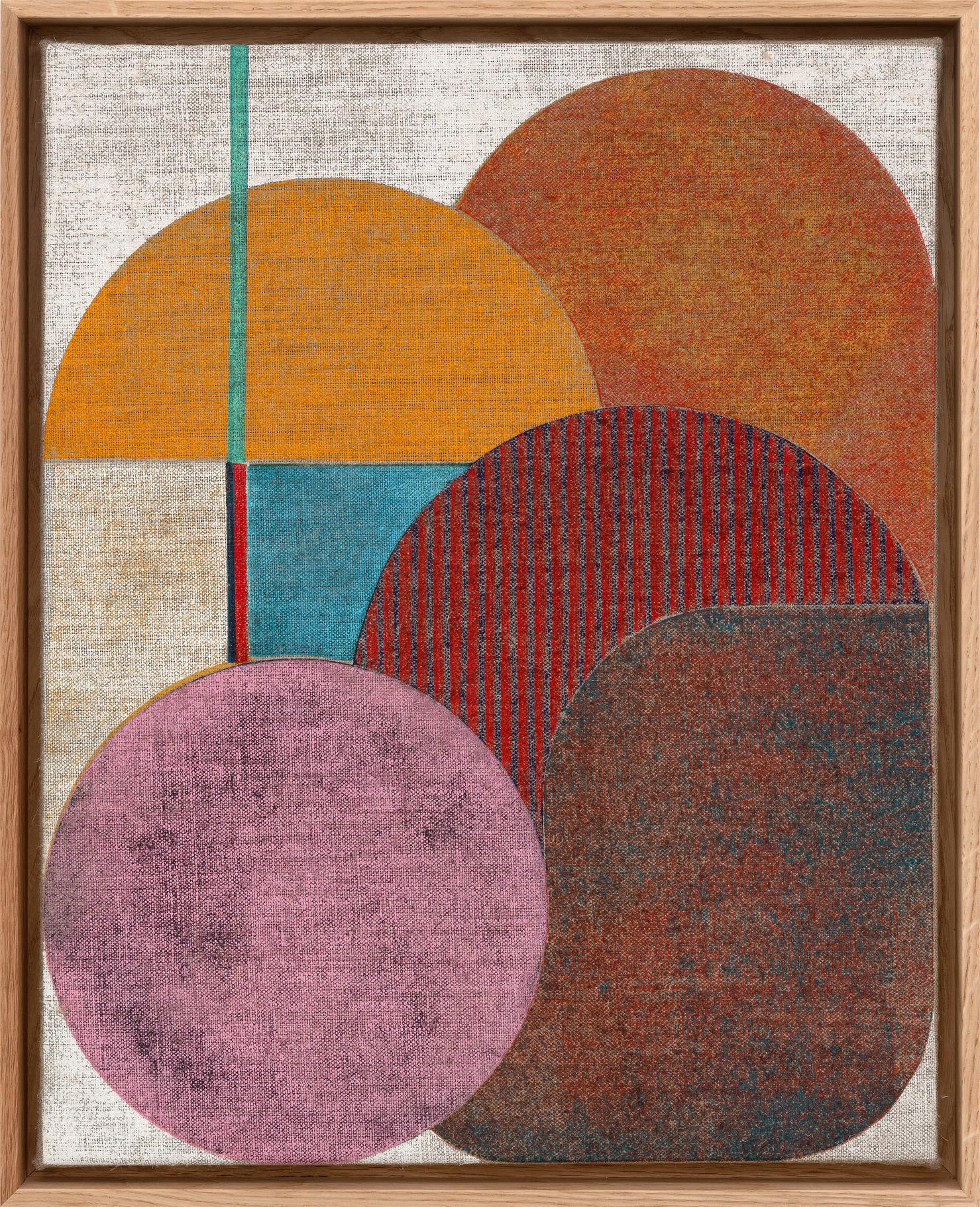
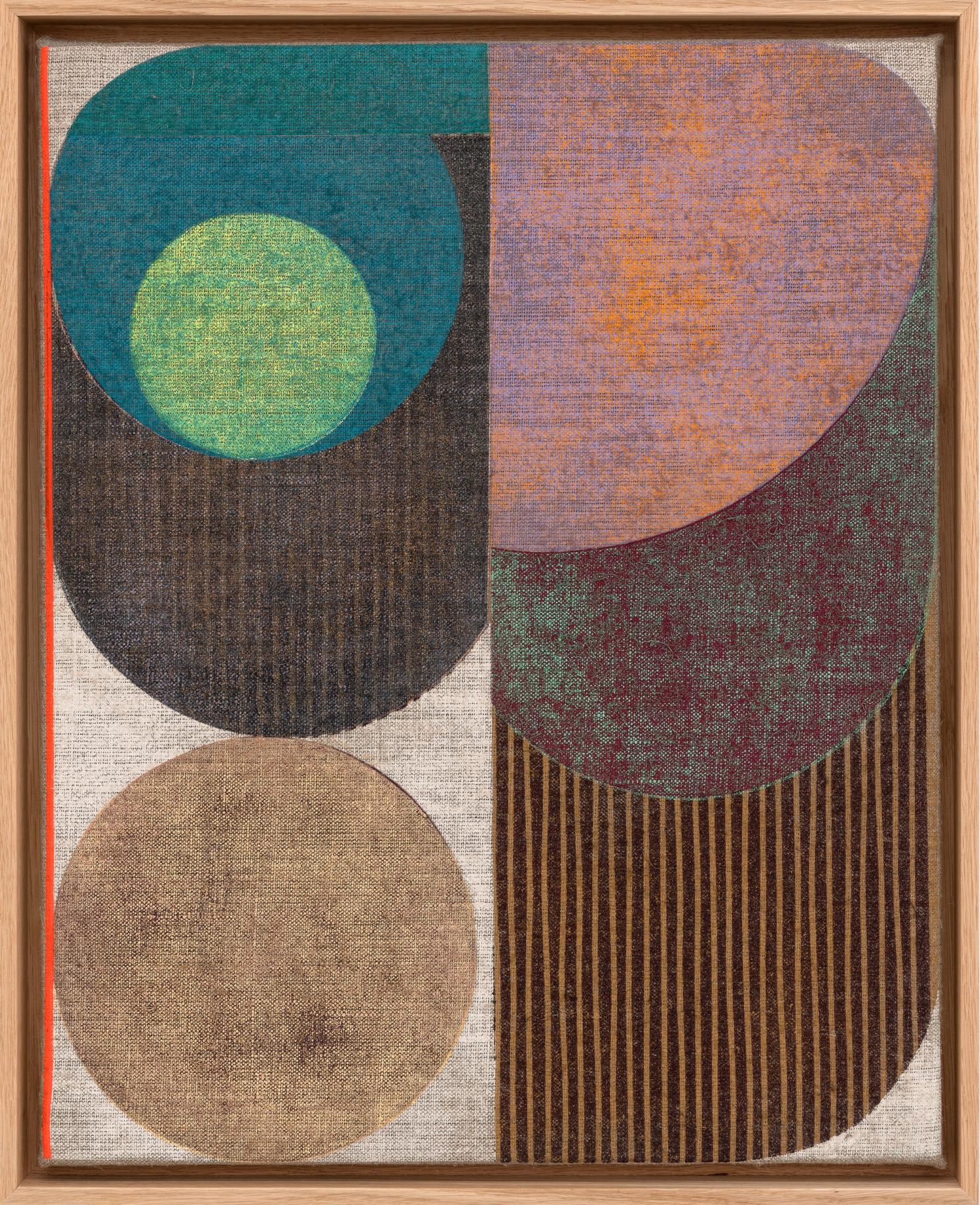
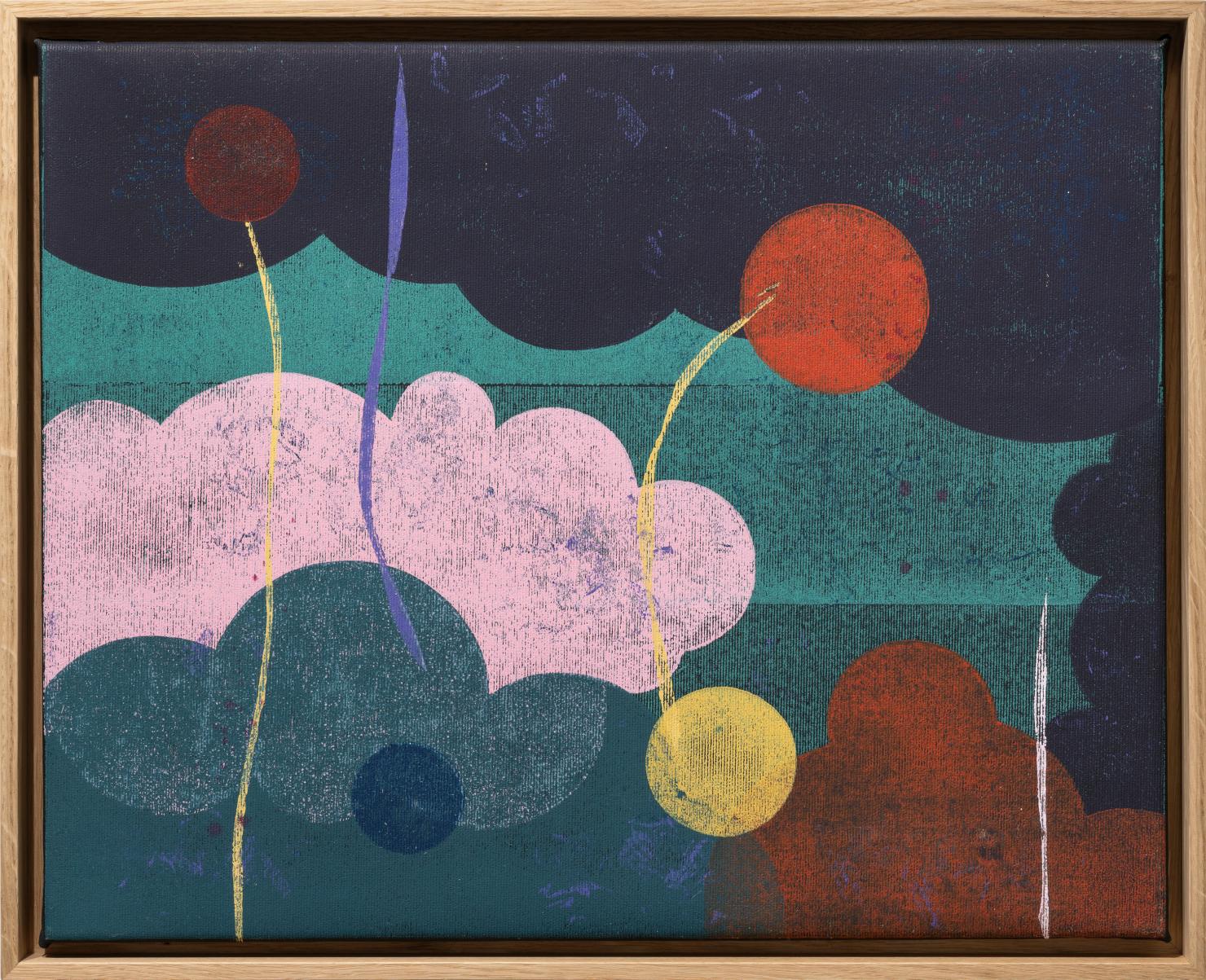
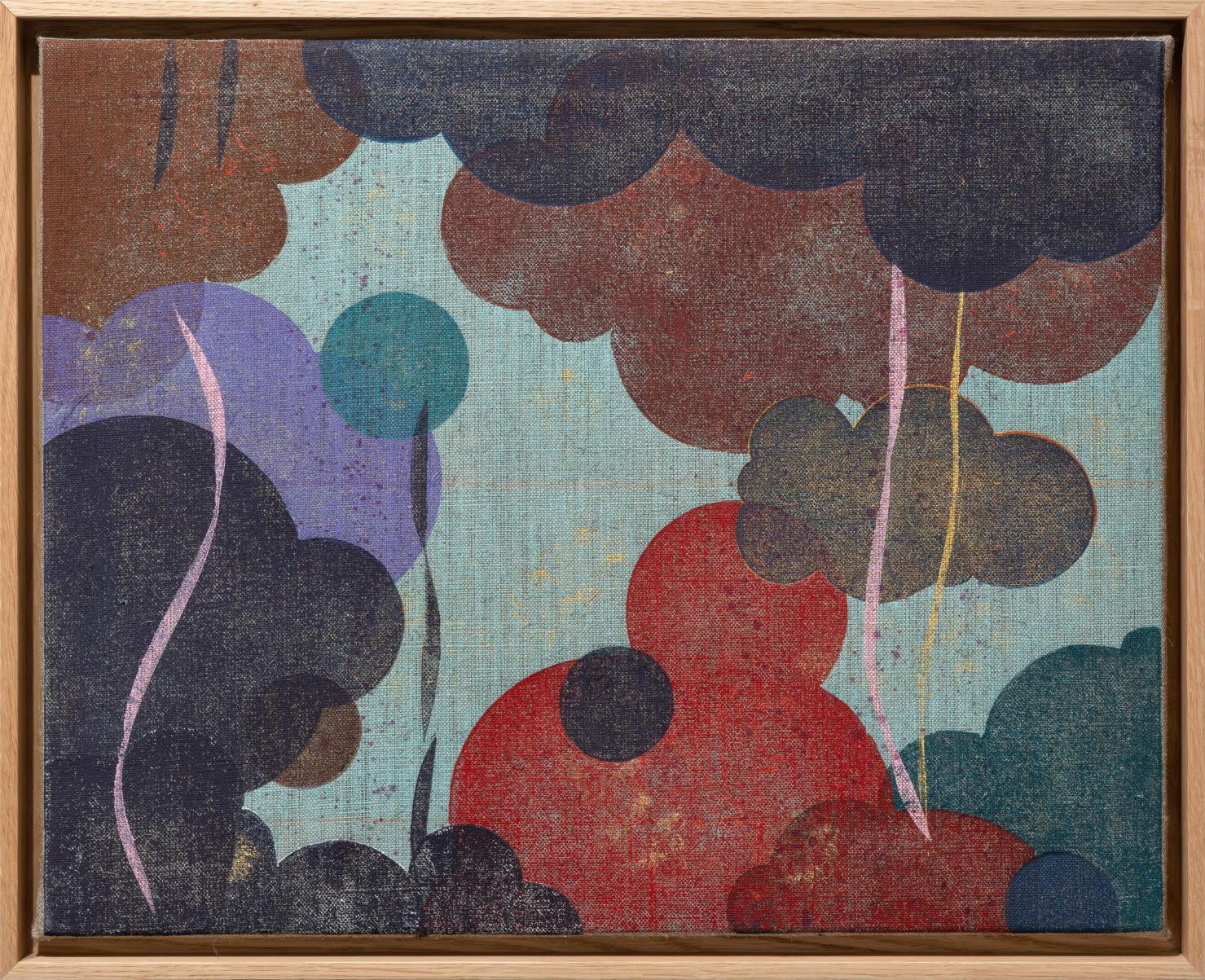
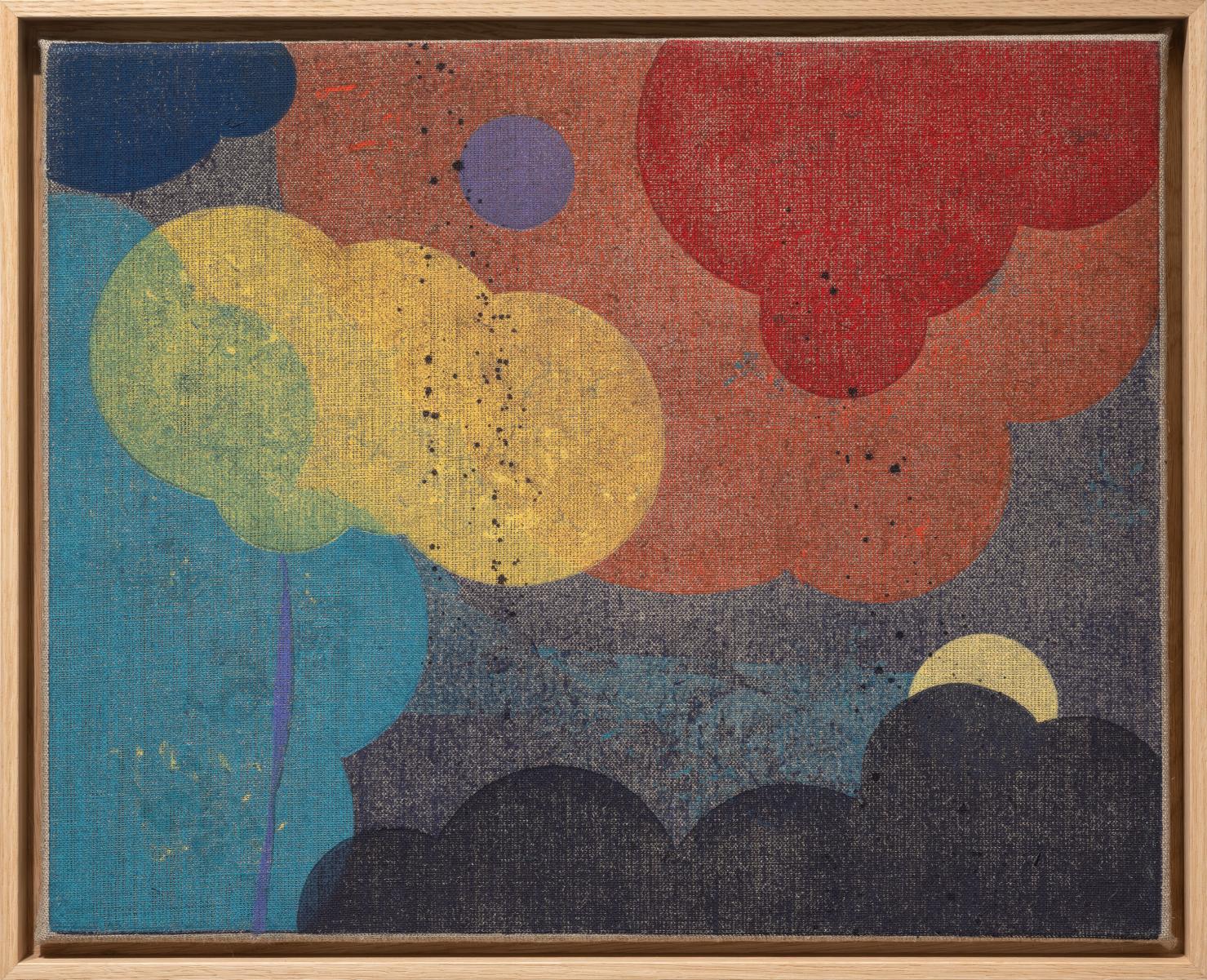
Unter dem Titel Common Disposition präsentiert Hendrik Zimmer neue Arbeiten, die aus einer gemeinsamen künstlerischen Haltung heraus entstanden sind – und doch in sehr unterschiedlichen Materialien und Verfahren ihren Ausdruck finden: Holzschnitte auf Leinwand, gewebte Teppiche und Glasarbeiten. Was diese Werke verbindet, ist kein formales Programm, sondern eine Einstellung gegenüber dem Material selbst – die Überzeugung, dass Oberflächen, Strukturen und Beschaffenheiten die Geschichte ihrer Entstehung in sich tragen und sichtbar machen.
Seit Ende 2021 arbeitet Zimmer intensiv mit dem Holzschnitt – einem alten bildnerischen Verfahren, das er konsequent weiterentwickelt hat. Die Technik prägt seine Bildsprache: Geschlossene Farbflächen, forcierte Konturen, ein Spiel mit Farbdichte und -intensität. Zimmer knüpft dabei an die Tradition der japanischen Holzschnittwerkstätten und die europäische Avantgarde des 20. Jahrhunderts an – und verleiht dieser Tradition eine unverkennbar eigene Handschrift. In Common Disposition tritt der Holzschnitt nun in Beziehung zu zwei weiteren Handwerkstraditionen: dem Weben und der Glasarbeit. Alle drei Verfahren verlangen Präzision und Geduld, alle drei erlauben – ja: fordern – das Eingreifen des Materials in den Prozess.
Genau hier liegt der Kern von Zimmers Kunstverständnis. Er begreift sich nicht als alleinigen Schöpfer seiner Werke. Die Eigenheiten des Materials, die Unebenheiten, die Zufälle und Widerstände, die jeder handwerkliche Prozess mit sich bringt – all das wird nicht korrigiert, sondern anerkannt und integriert. Die Sichtbarkeit des Schaffensprozesses ist für Zimmer kein stilistisches Mittel, sondern eine ehrliche Aussage über das Entstehen von Kunst: dass Intention und Ergebnis nie vollständig deckungsgleich sind, und dass genau darin eine eigene Wahrheit und Schönheit liegt.
Common Disposition beschreibt so auch eine Haltung – die geteilte Bereitschaft von Material, Verfahren und Künstler, sich aufeinander einzulassen. Die resultierenden Werke sind Unikate im buchstäblichen Sinne: Sie entstehen aus dem spezifischen Zusammentreffen von Absicht und Widerstand, von Kontrolle und Überlassung.
Under the title Common Disposition, Hendrik Zimmer presents new works that emerged from a shared artistic approach—yet find expression in very different materials and techniques: woodcuts on canvas, woven rugs, and glass works. What unites these works is not a formal program, but rather an attitude toward the material itself—the conviction that surfaces, structures, and textures carry within them the story of their creation and make it visible.
Since late 2021, Zimmer has been working intensively with woodcut—an ancient artistic technique that he has consistently refined. The technique shapes his visual language: solid areas of color, pronounced contours, and a play with color density and intensity. In doing so, Zimmer draws on the tradition of Japanese woodcut workshops and the European avant-garde of the 20th century—while imbuing this tradition with his own unmistakable signature. In Common Disposition, woodcut now enters into a dialogue with two other craft traditions: weaving and glasswork. All three techniques demand precision and patience; all three allow—indeed, require—the material to influence the process.
This is precisely the core of Zimmer’s understanding of art. He does not see himself as the sole creator of his works. The peculiarities of the material, the irregularities, the coincidences, and the resistance inherent in every craft process—none of this is corrected, but rather acknowledged and integrated. For Zimmer, the visibility of the creative process is not a stylistic device, but an honest statement about the creation of art: that intention and result are never entirely identical, and that therein lies a truth and beauty all its own.
“Common Disposition” thus also describes an attitude—the shared willingness of material, process, and artist to engage with one another. The resulting works are unique in the literal sense: they arise from the specific interplay of intention and resistance, of control and surrender.